
Why Corona’s Soil & Heat Affect Your Garage Floor
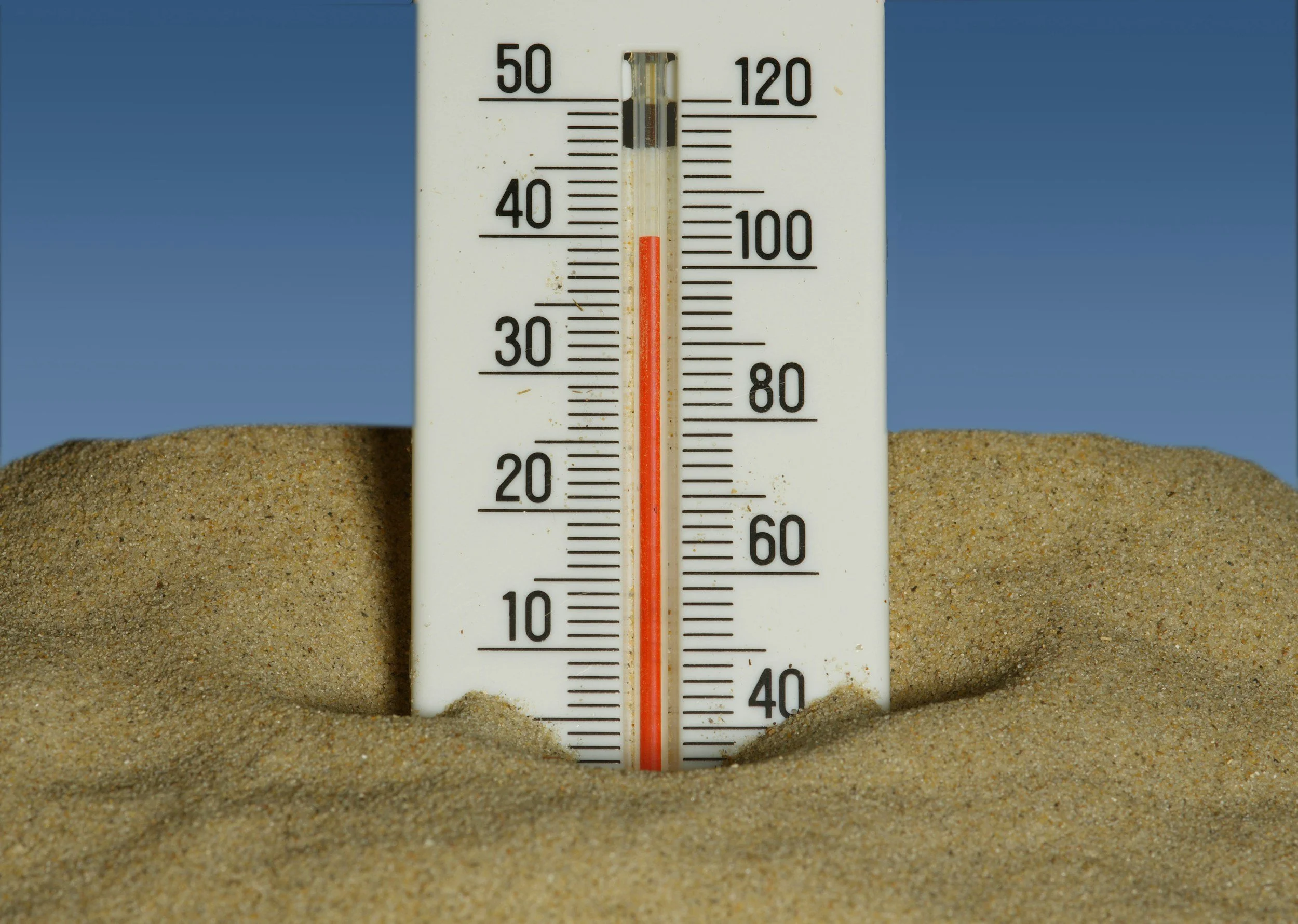
If you live in Corona, Riverside, or anywhere in the Inland Empire, you know that our environment is beautiful but brutal on concrete. Most homeowners assume a garage floor crack or a peeling coating is just "old age," but in our region, the culprits are usually beneath your feet and over your head: Expansive Soil and Extreme Thermal Cycling.
At Elite Crete California, we don't just sell floor coatings; we sell systems engineered to survive the specific challenges of the Santa Ana winds, 100°+ summers, and the unique geology of the Santa Ana Mountains foothills.
Here is why your Corona garage floor needs more than just a "standard" hardware store DIY kit.
1. The "Inland Empire Shuffle": Expansive Clay Soils
Much of Corona sits on soil with high clay content. This soil acts like a sponge—it expands significantly when it rains and shrinks during our long, dry summers.
The Problem: As the ground moves, your concrete slab moves with it. This leads to hairline fractures or structural "settlement" cracks.
The Solution: You cannot use a brittle, rigid coating. We use high-solids primers and crack-bridging technology that "flexes" slightly with your slab, ensuring that a minor shift in the soil doesn't snap your beautiful new floor finish.
2. High Moisture Vapor Transmission (MVT)
In Southern California, we often deal with "hydrostatic pressure." Even when the surface looks dry, moisture from high water tables or irrigation is constantly pushing upward through the porous concrete.
The Problem: If you apply a cheap DIY epoxy, that rising moisture gets trapped. This creates "osmotic blistering"—those annoying bubbles that eventually pop and cause the floor to peel.
The Solution: We test for moisture levels before every install. If your Corona home has high MVT, we apply a Moisture Vapor Barrier—a specialized epoxy primer designed to withstand up to 20 lbs of pressure, locking the moisture out and the coating down.
3. Thermal Shock and "Hot Tire Pick-up"
Corona summers are legendary. When you drive your car into the garage after a commute on the 91 or the 15, your tires are holding immense heat.
The Problem: Hot Tire Pick-up happens when a low-quality floor coating softens under the heat of your tires. As the tires cool, they literally "grab" the floor and peel it up when you back out the next morning.
The Solution: Our industrial-grade Polyaspartic and Urethane topcoats are heat-resistant. They don’t soften or delaminate, no matter how hot your Michelin’s are after an afternoon in the IE sun.
4. UV Exposure & The "Yellowing" Effect
Many garages in our area have windows or are left open while working on projects.
The Problem: Standard epoxies are not UV-stable. Over time, the Corona Sun will turn a clear or white floor into a dingy, sickly yellow.
The Solution: We utilize UV-stable topcoats that act like sunscreen for your floor, maintaining a "just-installed" look for decades, not months.
Don’t Guess—Test Your Concrete
Because every neighborhood in Corona—from Eagle Glen to Dos Lagos—has slightly different soil and drainage conditions, a "one size fits all" floor doesn't work.
Visit our Corona Showroom today to:
See the Tech: View our cross-section samples showing how we bridge cracks and block moisture.
Get a Pro Consultation: Tell us your neighborhood, and we can likely tell you exactly what soil issues your neighbors are facing.
Rent the Right Gear: If you’re a DIYer, we provide the same industrial grinders we use to ensure your concrete is "profiled" correctly to fight these local elements.
Protect your home from the ground up. Visit socalecs.com or stop by our local shop to see why professional-grade systems are the only way to beat the Corona heat!
